


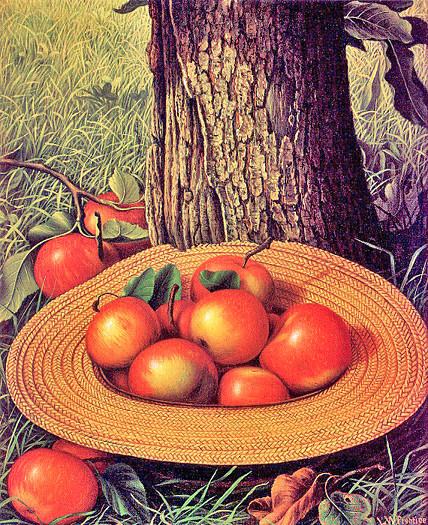
Fruits Of The Spirit – Quote
“And the fruits of the divine spirit which are yielded in the lives of spirit-born and God-knowing mortals are:
loving service, unselfish devotion, courageous loyalty, sincere fairness, enlightened honesty, undying hope, confiding
trust, merciful ministry, unfailing goodness, forgiving tolerance, and enduring peace.”
The Urantia Book, (193:2.2)

Spiritual growth is mutually stimulated by intimate association with other religionists. Read About it HERE

What Is The Urantia Book?
The Urantia Book includes the origin, history, and destiny of humanity. It answers questions about God, life in the inhabited universe, science, astronomy, the history and future of this world, Adam and Eve, and it includes an uplifting and greatly expanded narrative of the life and teachings of Jesus. This narrative of Jesus’ life is sourced from spiritual beings who were present during Jesus’ life and who have preserved these records for presentation in The Urantia Book and in our modern times.
The Urantia Book describes an endless destiny for humankind, teaching that living faith is the key to personal spiritual progress and eternal survival as an immortal being.
 Urantia (pronounced: you ran chah) is the universe name for Earth. The word Urantia translates to “your place in the universe.” Urantia is the sentimental shrine of all Nebadon (the name of our universe). Urantia is but one planet of ten million inhabitable worlds and is the mortal home of Christ Michael (Jesus of Nazareth), sovereign creator and ruler of all we see.Read More.
Urantia Book Teachings
A Tonic for Health
The coming of the Spirit of Truth purifies the human heart and leads the recipient to formulate a life purpose single to the will of God and the welfare of men. The joy of this outpoured spirit, when it is consciously experienced in human life, is a tonic for health, a stimulus for mind, and an unfailing energy for the soul.
Read more about Health in The Urantia Book here



Click the image above to hear directly from Urantia Book reader’s how the Book has changed their lives.
Read Book Reviews:
Rings True
Reviewed in the United States on January 31, 2017
“This book is An EXCELLENT book! I don’t have the words to express how inspiring, transcendent, deep and knowledgeable this book is. It covers EVERYTHING related to GOD, JESUS, the Universe, spirituality, the true, complete life of Jesus, and most importantly, OUR Planet, URANTIA.”
Read More Reviews and Buy the Book
Mary, the Mother of Jesus
The life that Mary shared with Joseph, Jesus, and his siblings was an inspiration in Jesus’ time, and is presented anew within the pages of The Urantia Book as a testament to love, and an inspiration for the times in which we now live.…Read more…
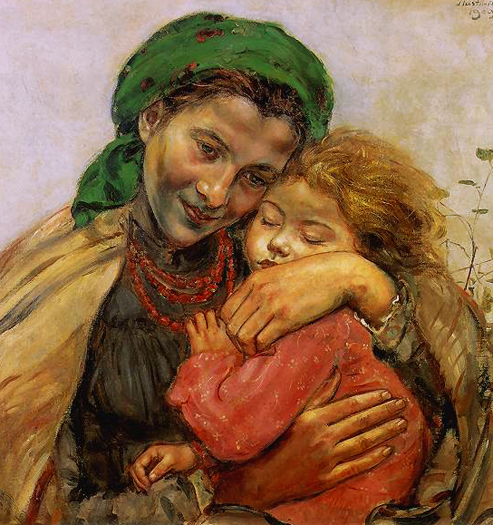


3 Reasons Why Motherhood is a Spiritual Journey
/in Trending Now!According to an article on Patheos.com, most people do not consider motherhood to be a spiritual journey. This may be due to physical changes the body goes through, such as weight gain or morning sickness. However, a spiritual journey is defined as the process of pushing past the boundaries that make you comfortable and moving toward growth. Read More
Truthbook.com draws inspiration for this belief from a Urantia Paper: “The mother and child relation is natural, strong, and instinctive, and one which, therefore, constrained primitive women to submit to many strange conditions and to endure untold hardships. This compelling mother love is the handicapping emotion which has always placed woman at such a tremendous disadvantage in all her struggles with man. Even at that, maternal instinct in the human species is not overpowering; it may be thwarted by ambition, selfishness, and religious conviction.” Read More
Happy Mother’s Day!