



Jesus’ Religion
Jesus shattered tradition, destroyed dogma, and called mankind to the achievement of its highest ideals in time and eternity — to be perfect, even as the Father in heaven is perfect.
The Urantia Book, (99:5.3)

Spiritual growth is mutually stimulated by intimate association with other religionists. Read About it HERE

What Is The Urantia Book?
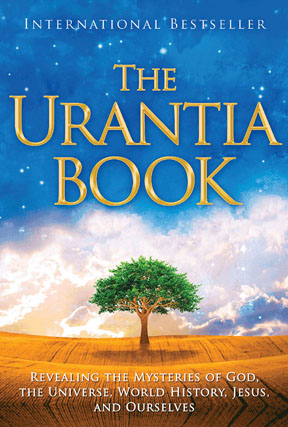
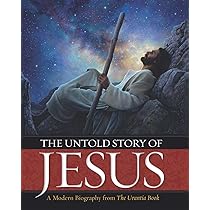
The Urantia Book includes the origin, history, and destiny of humanity. It answers questions about God, life in the inhabited universe, science, astronomy, the history and future of this world, Adam and Eve, and it includes an uplifting and greatly expanded narrative of the life and teachings of Jesus. This narrative of Jesus’ life is sourced from spiritual beings who were present during Jesus’ life and who have preserved these records for presentation in The Urantia Book and in our modern times.
The Urantia Book describes an endless destiny for humankind, teaching that living faith is the key to personal spiritual progress and eternal survival as an immortal being.
 Urantia (pronounced: you ran chah) is the universe name for Earth. The word Urantia translates to “your place in the universe.” Urantia is the sentimental shrine of all Nebadon (the name of our universe). Urantia is but one planet of ten million inhabitable worlds and is the mortal home of Christ Michael (Jesus of Nazareth), sovereign creator and ruler of all we see.Read More.
Urantia Book Teachings
Is there only one true religion?
There are many, many religions which are active on Urantia. Many of them claim to be the “only one true religion,” but that would not make much sense, would it? They cannot all be the only true religion, but even so, all have their value. Read More



How I Pray
For Gard Jameson, a philosophy professor at UNLV, prayer is a four level, dimensional experience. Learn why and discover how The Urantia Book can help you also learn how to pray.
Watch the Full Video
Read Book Reviews:
Truth revealed
Reviewed in the United States on August 2, 2022
“Quite simply, the most impactful book I have ever read. My religious upbringing gave me a foundation upon which to build, but was filled with things inconsistent to my inner self and left a lot of unanswered questions. I spent years seeking out truth in hopes of finding a clear path towards spiritual growth. My years of longing were fulfilled when I was introduced to the Urantia book.
Read More Reviews and Buy the Book
Did Jesus Establish a Church?
Jesus did not incarnate in order to establish a church, and he did not counsel his disciples to establish churches. His mission was to proclaim the establishment of the Kingdom of God in the hearts of mankind, and to free mankind from the bondage of churches of authority.…Read more…



Religious Involvement, Spirituality, and Medicine
/in Trending Now!Various surveys compiled by The Mayo Clinic, suggest that most patients have a spiritual life and regard their spiritual health and physical health as equally important. Furthermore, people may have greater spiritual needs during illness. They reviewed published studies, meta-analyses, systematic reviews, and subject reviews that examined the association between religious involvement and spirituality and physical health, mental health, health-related quality of life, and other health outcomes.
The Urantia Book says: “Spirituality enhances the ability to discover beauty in things, recognize truth in meanings, and discover goodness in values. Spiritual development is determined by capacity therefore and is directly proportional to the elimination of the selfish qualities of love.” Read More